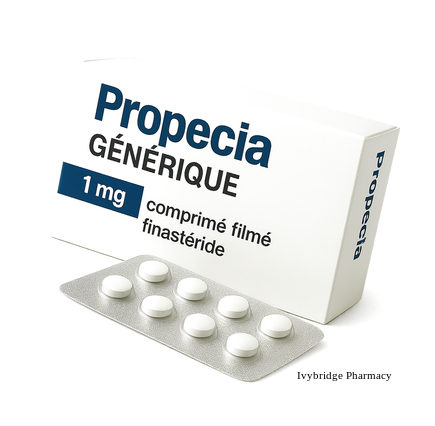
- Is Propecia available without prescription in the UK?
- What does Prescription Only Medicine mean in the UK?
- General information about Propecia (finasteride)
- How Propecia works
- Price and availability information
- Strengths, formulations and pack types
- Treatment of male pattern hair loss
- UK legal classification: POM, P and GSL
- Alternatives to Propecia
- Propecia compared with other hair loss treatments
- Lifestyle and hair health considerations
- Side effects and tolerability
- Long-term use and monitoring
- Warnings, contraindications and interactions
- Additional information about Propecia 1 mg
Is Propecia available without prescription in the UK?
No. Propecia® (finasteride 1 mg) is classified as a Prescription Only Medicine (POM) in the United Kingdom. This means you must have a valid prescription from a qualified prescriber—such as a GP, dermatologist or online clinic service—to purchase Propecia legally. While some online pharmacies may advertise “no prescription needed,” reputable UK pharmacies always require proof of prescription before dispatching finasteride products. Attempting to buy without prescription or from unregulated sources increases risk of counterfeit, substandard or unsafe medicines.
What does Prescription Only Medicine mean in the UK?
A Prescription Only Medicine (POM) can only be supplied by a pharmacist upon receipt of a valid prescription. The UK system also includes Pharmacy medicine (P) which can be sold by a pharmacist without prescription under supervision, and General Sales List (GSL) which can be sold in non-pharmacy outlets. Propecia is POM because of its hormone-modifying action and potential for adverse effects, requiring medical oversight for appropriate patient selection, dosage, monitoring and risk management.
General information about Propecia (finasteride)
What is finasteride?
Finasteride is a synthetic 4-aza-steroid compound originally developed to treat benign prostatic hyperplasia (BPH) at 5 mg daily. At a lower dose (1 mg), it is marketed as Propecia for the treatment of male pattern hair loss (androgenetic alopecia) in adult men. Its chemical name is 17β-(N-tert-butylcarbamoyl)-4-aza-5α-androstan-1-en-3-one.
What is Propecia?
Propecia is the brand name for finasteride 1 mg tablet formulation. It is designed for once-daily oral dosing to reduce dihydrotestosterone (DHT) levels in the scalp, thereby slowing hair loss progression and promoting regrowth in some men. Generic finasteride 1 mg is also available at lower cost, subject to the same quality standards and therapeutic effect.
Who is Propecia indicated for?
Propecia is licensed for men aged 18 and over experiencing mild to moderate male pattern baldness (Hamilton–Norwood classification II to V). Women and children should not use Propecia due to potential adverse effects and lack of efficacy data.
What is male pattern hair loss?
Also known as androgenetic alopecia, this condition is characterised by progressive hair thinning in a defined pattern—typically receding hairline and vertex balding. It involves genetic predisposition and the action of DHT on susceptible hair follicles.
How quickly does Propecia work?
Finasteride reduces scalp DHT by up to 60–70% within days, but visible results—slowing of hair loss, thickening of existing hairs and new growth—may take 3 to 6 months of continuous use. Maximum benefits often appear after 12 months. Discontinuation typically reverses effects within 6 to 12 months.
How Propecia works
What is 5α-reductase?
5α-reductase is an enzyme that converts testosterone into dihydrotestosterone (DHT), a potent androgen that binds hair follicle receptors and triggers miniaturisation in genetically predisposed individuals.
Which isoenzyme does finasteride inhibit?
Finasteride selectively inhibits type II 5α-reductase found in hair follicles and the prostate. Blocking this enzyme reduces DHT synthesis without significantly affecting testosterone levels.
How does DHT affect hair follicles?
High DHT concentration shortens the anagen (growth) phase and lengthens the telogen (resting) phase of the hair cycle, causing follicles to shrink and produce thinner, shorter hairs until they cease producing new hairs.
How does finasteride reverse the process?
By lowering scalp DHT, finasteride allows miniaturised follicles to revert to a larger size, extending the anagen phase and improving hair thickness and density over time in some men.
Does Propecia treat all forms of hair loss?
No. Finasteride is effective only in androgenetic alopecia. It has no proven benefit for alopecia areata, scarring alopecia, telogen effluvium from stress or systemic illness, or hair loss due to chemotherapy.
Price and availability information
How much does Propecia cost in the UK?
Pricing can vary widely between branded and generic products, pack size, source and retailer margins. Branded Propecia typically costs more than generic finasteride 1 mg. This page aims to inform you about purchasing options; contact Ivybridge Pharmacy for our current cheapest online price and bulk-buy discounts.
Why are generics cheaper?
Once brand patents expire, multiple manufacturers can supply finasteride at lower cost due to competition. Generics contain the same active ingredient, strength and efficacy, but use different inactive ingredients and packaging.
| Product | Strength | Pack size | Approx. price | Status | Note |
|---|---|---|---|---|---|
| Branded Propecia | 1 mg | 28 tablets | £45–£55 | POM | Prescription required |
| Generic finasteride | 1 mg | 30 tablets | £18–£25 | POM | Prescription required |
| Bulk generic offers | 1 mg | 90–120 tablets | £45–£60 | POM | Cheaper per tablet |
Strengths, formulations and pack types
What strengths exist?
Finasteride is marketed at 1 mg for hair loss and 5 mg for benign prostatic hyperplasia. Only the 1 mg tablet (Propecia or generic) is relevant for male pattern hair loss.
What formulations are available?
Packaged as oral tablets in blister or bottle presentations, usually white, round 1 mg tablets. All tablets are film-coated to facilitate swallowing and ensure stability.
Why does pack size matter?
Long-term treatment is required to maintain benefits. Most 30-day supplies cover a month, while bulk packs reduce per-tablet price. Ensure prescription covers intended duration.
| Feature | Why it matters |
| Active ingredient | Finasteride 1 mg |
| Strength | Defines daily dose |
| Pack size | Affects price per tablet & supply duration |
| Brand vs generic | Packaging, cost and excipients differ |
| Legal category | POM requires prescription |
Are generic and branded Propecia identical?
Therapeutic equivalence means identical active ingredient strength and clinical effect. However, excipients, appearance, packaging and batch testing may differ.
Treatment of male pattern hair loss
What is androgenetic alopecia?
A genetic condition causing gradual hair thinning in a defined pattern. The Hamilton–Norwood scale classifies stages I–VII of vertex and frontal hair loss.
Who benefits most?
Men under 50 with early to moderate hair loss (Norwood II–V) tend to experience the greatest benefit. Minoxidil may be added for more advanced cases.
How long is treatment needed?
Continuous treatment is required. Discontinuing finasteride reverses gains within 6–12 months. Long-term adherence is necessary to sustain results.
Can Propecia regrow hair?
Finasteride often stabilises hair loss and can lead to moderate regrowth in a proportion of men, particularly at the vertex. Individual responses vary.
How is treatment success assessed?
By photographic comparisons, patient satisfaction surveys and clinician assessment of scalp hair density and coverage over 6–12 months.
UK legal classification: POM, P and GSL
Why is finasteride POM?
Finasteride’s hormonal effects and potential adverse reactions (e.g., sexual dysfunction) necessitate medical oversight, making it a Prescription Only Medicine.
Could Propecia ever be P or GSL?
Unlikely. Classification factors include indication, safety profile, monitoring needs and potential for misuse. Finasteride remains POM under MHRA regulation.
Who regulates medicine classification?
The Medicines and Healthcare products Regulatory Agency (MHRA) oversees medicine licensing, classification, safety and reclassification processes in the UK.
Alternatives to Propecia
What other treatments exist?
- Topical minoxidil;
- Dutasteride (off-label or clinical trial);
- Low-level laser therapy;
- Hair transplant surgery;
- Natural supplements like saw palmetto (limited evidence).
Why combine therapies?
Dual therapy (finasteride + minoxidil) can yield superior results by targeting different mechanisms: hormone reduction and follicle stimulation.
Are non-medical options effective?
Cosmetic approaches (wigs, scalp micropigmentation) mask hair loss but do not address biological causes.
Propecia compared with other hair loss treatments
How does finasteride compare with minoxidil?
Finasteride blocks hormone action; minoxidil is a vasodilator that promotes anagen phase. Both require ongoing use; finasteride is oral, minoxidil is topical.
How does dutasteride differ?
Dutasteride inhibits type I and II 5α-reductase, reducing DHT more extensively. It is not licensed for hair loss in the UK, but may be prescribed off-label.
| Feature | Finasteride (Propecia) | Minoxidil | Dutasteride |
| Drug class | 5α-reductase inhibitor | Vasodilator | 5α-reductase inhibitor |
| Administration | Oral tablet | Topical solution/foam | Oral capsule |
| Licensing for hair loss | Yes, 1 mg | Yes, 2%–5% | No (off-label) |
| Main effect | ↓ DHT | ↑ blood flow | ↓ DHT (I & II) |
Is one treatment always better?
No. Choice depends on patient preference, side effect profile, cost, convenience and response. Combination therapy is common.
Lifestyle and hair health considerations
Can diet influence hair loss?
Balanced nutrition—adequate protein, iron, zinc, vitamins D and B—supports hair health but does not reverse genetic alopecia alone.
Does stress affect hair?
Telogen effluvium from acute stress can exacerbate hair shedding. Stress management may help minimise additional hair loss.
Do smoking and alcohol matter?
Smoking may worsen microcirculation to the scalp, while excessive alcohol can affect nutrient absorption. Healthy lifestyle choices support overall hair integrity.
Are haircare products important?
Gentle shampoos, avoiding harsh chemical treatments and minimising heat styling can reduce breakage but not the underlying genetic cause.
Side effects and tolerability
Can finasteride cause side effects?
Yes. Although generally well tolerated, some men report adverse events. Side effect frequency and severity vary by individual and are detailed in the patient leaflet.
| Area | Examples described in product information |
| Sexual | Decreased libido, erectile dysfunction, ejaculation disorder |
| Psychological | Mood alterations, depression (rare) |
| Breast | Tenderness, enlargement (gynecomastia) |
| Hypersensitivity | Rash, urticaria, swelling |
| Other | Testicular pain, dizziness |
How common are sexual side effects?
Reported in 1%–10% of users. Many resolve with continued treatment or on discontinuation. Persistent symptoms warrant medical review.
Why list rare effects?
Regulatory guidelines require disclosure of all known or suspected adverse reactions, no matter how infrequent, so patients and healthcare professionals can make informed decisions.
Long-term use and monitoring
Why is monitoring important?
Long-term finasteride use may require periodic review of PSA levels (for prostate screening), assessment of side effects and efficacy. Annual check-ups are commonly recommended.
Can long-term safety be a concern?
Most long-term data show good tolerability, but ongoing research addresses potential risks such as depression or persistent sexual dysfunction. Discuss concerns with your doctor.
What if treatment stops?
Discontinuation leads to return of baseline hair loss within a year. If planning to stop, consider alternative therapies or accept potential loss of benefit.
Warnings, contraindications and interactions
Who should not take Propecia?
- Women or children (risk of birth defects if handled by pregnant women);
- Men with hypersensitivity to finasteride or any excipient;
- Patients with severe liver impairment;
- Men planning pregnancy with a partner (finasteride detected in semen).
Can finasteride interact with other medicines?
Finasteride has few clinically significant drug–drug interactions. However, coadministration with other hormonal treatments or 5α-reductase inhibitors (e.g., dutasteride) is not recommended.
Are there special considerations for screening?
Finasteride reduces PSA by about 50%. Clinicians should double PSA values when interpreting screening results for prostate cancer detection.
What about pregnancy and handling?
Propecia tablets should not be handled by pregnant women or those who may become pregnant, due to risk of absorption through skin and potential fetal harm.
Additional information about Propecia 1 mg
What does “generic finasteride” mean?
A generic medicine contains the same active ingredient as the reference brand and meets regulatory standards for bioequivalence, quality, safety and efficacy. Inactive ingredients and appearance may vary.
Why can brand and generic leaflets differ?
Different manufacturers may have varying excipients, packaging details and company contact information. The core warnings and indications remain the same.
What should you check on the label?
Ensure the product is licensed for hair loss (1 mg), check expiry date, batch number, manufacturer details and legal category (POM). Read the patient information leaflet carefully before starting treatment.
Where can UK medicine information be verified?
Reliable sources include the MHRA, electronic Medicines Compendium (eMC), NICE guidelines and qualified healthcare professionals.
Does this information replace pharmacist advice?
No. This page is for general information only. For personalised advice, contact Ivybridge Pharmacy, 7 Erme Court, Ivybridge, Devon PL21 0SZ, or speak with our pharmacy team by telephone or in person.
Ivybridge
Devon
PL21 0SZ