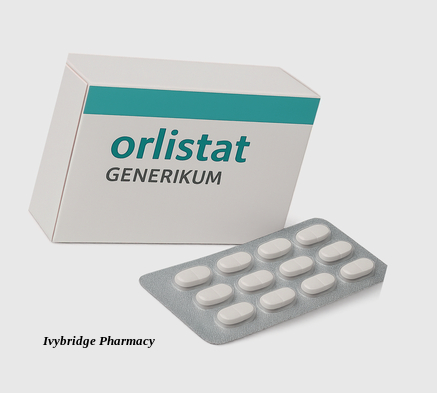
- Is orlistat available without prescription in the UK?
- What does Pharmacy medicine mean in the UK?
- General information about orlistat
- How orlistat works to reduce fat absorption
- Price and availability information
- Strengths, formulations and pack types
- Indications and recommended use
- UK legal classification: GSL, P and POM
- Alternatives and complementary weight loss treatments
- Orlistat compared with other weight loss medicines
- Dietary, exercise and lifestyle considerations
- Side effects and tolerability
- Long-term use and nutritional considerations
- Warnings, contraindications and interactions
- Additional information about generic orlistat
Is orlistat available without prescription in the UK?
Yes. In the UK, a 60 mg dose of orlistat (branded as Alli) is classified as a Pharmacy medicine (P) and can be supplied without a prescription under pharmacy supervision. This allows adults to purchase orlistat cheaply, order online or buy in store for short-term use to manage overweight and obesity, provided they meet the product guidance. The prescription strength of orlistat, 120 mg (branded as Xenical or generic equivalents), remains a Prescription Only Medicine (POM) and cannot be obtained without a valid prescription from a qualified prescriber.
What does Pharmacy medicine mean in the UK?
The UK categorises human medicines as Prescription Only Medicines (POM), Pharmacy medicines (P) and General Sales List medicines (GSL). A Pharmacy medicine may be sold without a prescription but must be supplied by or under the supervision of a qualified pharmacist in a registered pharmacy. This ensures that patients receive guidance on safe use, potential interactions and correct dosing. Although Pharmacy (P) status allows over-the-counter supply, it is distinct from unrestricted general sale.
General information about orlistat
What is orlistat?
Orlistat is a lipase inhibitor used to support weight loss by reducing the absorption of dietary fats. It is a non-systemic agent that acts locally in the gastrointestinal tract. The result is a decrease in calorie uptake when orlistat is taken with a balanced, reduced-calorie diet.
What is the active ingredient?
The active pharmaceutical ingredient is orlistat, chemically identified as a hydrogenated derivative of lipstatin. Generic orlistat products contain the same active moiety as branded formulations, meeting regulatory standards for quality, safety and efficacy.
Why is orlistat used for weight management?
By blocking approximately 25–30% of dietary fat absorption, orlistat creates a negative energy balance when combined with diet and exercise. This mechanism helps patients achieve modest but clinically significant weight loss, which can reduce the risk of comorbid conditions such as type 2 diabetes, hypertension and dyslipidaemia.
How is orlistat different from appetite suppressants?
Appetite suppressants act on the central nervous system to reduce hunger or increase satiety. Orlistat, in contrast, works peripherally within the digestive tract. It does not alter appetite but reduces caloric intake through fat excretion.
Is orlistat suitable for everyone?
Orlistat is indicated for adults with a body mass index (BMI) ≥ 28 kg/m² (OTC 60 mg) or ≥ 30 kg/m² (prescription 120 mg), or ≥ 27 kg/m² with weight-related risk factors. Use in pregnancy, breastfeeding, chronic malabsorption syndromes or cholestasis is not recommended.
How orlistat works to reduce fat absorption
What are pancreatic and gastric lipases?
Pancreatic and gastric lipases are digestive enzymes that break down triglycerides into free fatty acids and monoglycerides, allowing fat molecules to be absorbed in the small intestine.
How does orlistat inhibit lipase?
Orlistat binds covalently to the active serine site of gastrointestinal lipases, rendering them inactive. This inhibition prevents the hydrolysis of approximately one-third of dietary fats into absorbable forms.
What happens to unabsorbed fat?
Unhydrolysed fats are excreted in the faeces, leading to a reduction in caloric intake. Patients may experience oily spotting, flatulence with discharge or fatty stools, particularly if dietary fat is not moderated.
Does orlistat affect absorption of other nutrients?
Orlistat can reduce absorption of fat-soluble vitamins (A, D, E, K) and β-carotene. A daily multivitamin supplement should be taken at least 2 hours before or after orlistat to maintain adequate nutrient levels.
Why must orlistat be taken with meals?
Orlistat is effective when taken during or within one hour of a main meal containing fat. If a meal is missed or contains no fat, the dose may be omitted without loss of efficacy.
Price and availability information
How much does orlistat cost in the UK?
The price for generic orlistat 60 mg varies by pack size, retailer and promotions. Online pharmacies, including Ivybridge Pharmacy, often offer cheaper prices for larger pack sizes or subscription orders. Retail pharmacy list prices may range from £20 to £35 for a 28-capsule pack, but discounts or multipack offers can reduce the cost per capsule substantially.
Why can prices vary between suppliers?
Differences in wholesale acquisition prices, bulk purchasing agreements, branded vs generic status, retailer overhead and promotional strategies can lead to variability in consumer prices. Online ordering can often secure lower per-capsule prices due to reduced overhead costs.
| Example | Strength | Formulation | Price | Status | Note |
|---|---|---|---|---|---|
| Alli | 60 mg | Capsules | £29.99 | P | OTC, supply under pharmacy supervision |
| Generic A | 60 mg | Capsules | £19.50 | P | Cheaper generic option |
| Generic B | 120 mg | Capsules | Prescription price varies | POM | Requires valid prescription |
Strengths, formulations and pack types
What strengths of orlistat exist?
OTC orlistat is available as 60 mg capsules. Prescription-only orlistat is supplied as 120 mg capsules for patients with more severe obesity or in specialist programmes.
What formulations are available?
Both 60 mg and 120 mg strengths come in hard gelatin capsules. Each capsule contains orlistat with inactive fillers and coatings. Generic manufacturers may use different excipients but must comply with bioequivalence requirements.
How do pack sizes differ?
Common pack sizes include 28, 42 and 84 capsules. Larger packs offer a lower unit price when purchased online. Bulk-pack options can be more cost-effective for long-term users but should align with treatment guidance on review and monitoring.
Are generic and branded orlistat identical?
Generic orlistat contains the same active ingredient and dose as Alli or Xenical but may vary in capsule color, size, excipients and branding. Regulatory agencies require generics to demonstrate equivalence to the reference product.
Indications and recommended use
Who should consider orlistat?
Adults with BMI ≥ 30 kg/m² or BMI ≥ 28 kg/m² with at least one weight-related risk factor (e.g. hypertension, type 2 diabetes). Orlistat should be used with dietary and lifestyle changes for optimal benefits.
What is the recommended dosing regimen?
One 60 mg capsule three times daily during or within one hour of each main meal. If a meal is missed or contains no fat, skip that dose. Treatment duration is typically 12 months, following which re-evaluation is recommended.
When should treatment be reviewed?
Clinical review is advised after 12 weeks. If the patient has not lost at least 5% of baseline body weight at this point, discontinuation is advisable, as continued treatment is unlikely to yield significant benefit.
Can orlistat be combined with other weight loss methods?
Yes. Combining orlistat with dietary counselling, physical activity programs and behavioural interventions enhances weight loss outcomes and supports maintenance of weight loss long term.
UK legal classification: GSL, P and POM
What is a POM?
A Prescription Only Medicine requires a valid prescription from a qualified prescriber and cannot be sold or supplied otherwise.
What is a Pharmacy medicine (P)?
Orlistat 60 mg is classified as a Pharmacy medicine (P) in the UK. It may be supplied without a prescription but only by or under the supervision of a pharmacist.
What is a GSL medicine?
General Sales List medicines can be sold in a variety of retail outlets without pharmacist supervision. Orlistat is not classified as GSL.
Why can different strengths have different classifications?
Classification is determined by factors such as strength, pack size, intended duration and safety profile. The MHRA evaluates these factors when authorising non-prescription supply.
Who oversees medicine classification in the UK?
The Medicines and Healthcare products Regulatory Agency (MHRA) regulates classification, licensing, and safety monitoring of medicines in the UK.
Alternatives and complementary weight loss treatments
What other pharmacological options exist?
- GLP-1 receptor agonists (e.g. semaglutide) – prescription injectable medicines;
- Central appetite suppressants (e.g. liraglutide) – POM only;
- Over-the-counter appetite suppressants (e.g. caffeine-based supplements) – limited evidence;
- Herbal and nutraceutical preparations – variable regulation;
- Prescription-only obesity specialist programmes.
Non-pharmacological approaches
Behavioural therapy, structured physical activity, nutritional counselling and support groups can be used alongside or instead of drug therapy for safe and sustainable weight management.
Orlistat compared with other weight loss medicines
How does orlistat compare with GLP-1 agonists?
GLP-1 agonists act centrally and enhance satiety, often achieving greater weight loss but requiring injection and having a different safety profile. Orlistat is oral, non-systemic, with a known tolerability pattern.
How does orlistat compare with appetite suppressants?
Appetite suppressants can affect cardiovascular parameters and have central side effects. Orlistat’s mechanism is peripheral and generally has fewer systemic effects, though gastrointestinal side effects are common.
| Feature | Orlistat | Semaglutide | Phentermine |
| Drug class | Lipase inhibitor | GLP-1 agonist | Appetite suppressant |
| Main mechanism | Reduces fat absorption | Increases satiety | Suppresses appetite |
| Administration | Oral capsules | Subcutaneous injection | Oral tablets |
| OTC availability in UK | Yes, 60 mg (P) | No, POM only | No, POM only |
| Side effect profile | Gastrointestinal | Nausea, vomiting | Insomnia, palpitations |
Is one medication always better?
No. Choice depends on patient characteristics, comorbidities, tolerability, cost, mode of administration and treatment goals. Professional assessment guides optimal therapy selection.
Dietary, exercise and lifestyle considerations
Why is diet important with orlistat?
A balanced, calorie-controlled diet with approximately 30% of energy from fat minimises gastrointestinal side effects. Patients should avoid high-fat meals to reduce oily discharge and discomfort.
Can exercise improve outcomes?
Regular physical activity boosts energy expenditure, supports cardiovascular health and helps maintain weight loss. Even moderate activity such as walking for 30 minutes daily can augment orlistat’s effect.
How does behaviour change support weight loss?
Strategies like self-monitoring, goal setting, stimulus control and stress management improve adherence to diet and medication. Structured programmes often yield better long-term results.
What about alcohol and caffeine?
Alcohol contributes empty calories and may interact with fatty meals to worsen gastrointestinal side effects. Caffeine intake does not directly affect orlistat but should be moderated within a balanced diet.
Side effects and tolerability
What are common side effects?
Gastrointestinal effects are the most frequent and can include oily spotting, flatus with discharge, faecal urgency, and fatty/oily stools. These effects are more likely when dietary fat content is high.
| Area | Examples |
| Gastrointestinal | Oily spotting, flatulence, faecal incontinence |
| Central | Headache (rare) |
| Metabolic | Possible reduction in fat-soluble vitamins |
| Allergic | Skin rash (rare) |
| Long-term concerns | Vitamin deficiencies if supplements omitted |
How can side effects be minimised?
Adhering to a low-fat diet, spacing meals evenly, taking a multivitamin supplement and gradual adaptation to dietary changes can reduce gastrointestinal discomfort and improve tolerability.
When should a pharmacist be consulted?
If side effects persist despite dietary adjustment, if alarm symptoms (e.g. severe abdominal pain, rectal bleeding) occur, or if there are concerns about nutrient deficiencies.
Long-term use and nutritional considerations
Why monitor vitamins?
Chronic inhibition of fat absorption can lead to deficiencies in vitamins A, D, E and K. A daily multivitamin supplement, taken outside of meal times with orlistat, helps maintain adequate levels.
Can orlistat be used beyond 12 months?
Long-term use may be considered under medical supervision if weight loss is maintained and benefits outweigh potential nutritional risks. Periodic review of vitamin status and kidney function is recommended.
What about impacts on bone health?
Vitamin D and calcium malabsorption can affect bone density. Ensuring adequate dietary calcium and vitamin D intake, or supplementation, is important for long-term skeletal health.
Warnings, contraindications and interactions
Who should not take orlistat?
- People with chronic malabsorption syndrome or cholestasis;
- Pregnant or breastfeeding women;
- Patients with severe hepatic impairment;
- Individuals allergic to any ingredient in the capsule.
Can orlistat interact with other medicines?
Yes. Orlistat may reduce absorption of lipophilic drugs and fat-soluble vitamins. Drugs requiring acidic or fatty media for absorption may be less effective.
Examples of interactions
- Levothyroxine – take at least 4 hours apart;
- Cyclosporine – monitor blood levels if co-administered;
- Warfarin – monitor INR as vitamin K absorption may be affected;
- Antiretrovirals – absorption may be reduced, follow specialist advice.
Why is monitoring important?
Suppressing fat absorption can mask signs of malnutrition or lead to under-absorption of essential fat-soluble nutrients, requiring clinical assessment if symptoms arise.
Additional information about generic orlistat
What does “generic orlistat” mean?
Generic orlistat contains the same active ingredient and must meet regulatory standards equivalent to branded products in terms of quality, safety and efficacy. Inactive ingredients and capsule appearance may vary.
Why can prices vary between generics?
Variations in manufacturing scale, distribution costs, pack size and pharmacy discounts influence consumer prices. Bulk ordering and subscription services often reduce the effective cost.
Where can UK medicine information be verified?
Trusted sources include the MHRA, electronic Medicines Compendium (eMC), NHS UK guidance, and advice from qualified pharmacists or healthcare professionals.
Does this information replace professional advice?
No. This page provides general guidance. For personalised advice tailored to your medical history, please contact the pharmacy team at Ivybridge Pharmacy, 7 Erme Court, Ivybridge, Devon PL21 0SZ.
Ivybridge
Devon
PL21 0SZ