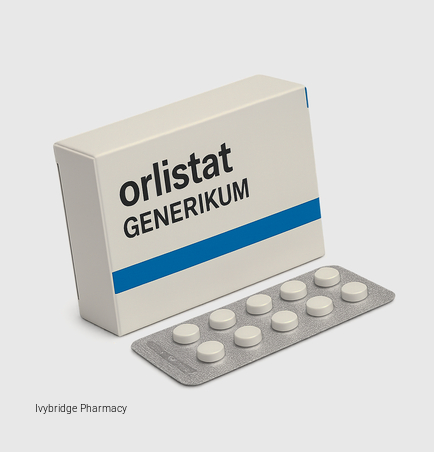
- Is orlistat available without prescription in the UK?
- What does Pharmacy medicine mean for orlistat?
- General information about orlistat
- How orlistat works to aid weight loss
- Price and availability information
- Strengths, formulations and pack types
- Indications and clinical use
- UK legal classification: GSL, P and POM
- Alternatives for obesity and weight management
- Orlistat compared with other weight loss medicines
- Diet, exercise and lifestyle considerations
- Side effects and tolerability
- Long-term use and monitoring
- Warnings, contraindications and interactions
- Additional information about orlistat
Is orlistat available without prescription in the UK?
Yes. Orlistat 60 mg is available as a non-prescription Pharmacy (P) medicine in the United Kingdom for short-term use in adults to assist with weight management alongside a reduced-calorie diet. Marketed under generic names and branded products such as Alli®, orlistat is authorised for purchase without a prescription. Nevertheless, other orlistat strengths (e.g., 120 mg capsules) or formulations intended for specific clinical indications may remain Prescription Only Medicines (POM).
What does Pharmacy medicine mean for orlistat?
In UK medicine regulation, a Pharmacy medicine (P) can be supplied without a doctor’s prescription but must be sold under the supervision of a pharmacist in a registered pharmacy. This classification ensures that professional advice is provided at the point of sale. “Over the counter” in this context does not imply unrestricted retail availability; rather, orlistat P products must be dispensed or recommended by a pharmacist after brief consultation to confirm suitability.
General information about orlistat
What is orlistat?
Orlistat is a lipase inhibitor that reduces the absorption of dietary fats by blocking gastrointestinal lipases. It is indicated for weight reduction in adults and adolescents (12 years and over) with excess body weight when used in conjunction with a reduced-energy diet.
Why is orlistat considered a generic medicine?
A generic medicine contains the same active ingredient, dosage form, strength and route of administration as the originator product. Generic orlistat products are bioequivalent to branded references and must meet the same rigorous standards for quality, efficacy and safety. They often cost less than branded versions, making cheap or lower-price options available to consumers.
What is the difference between 60 mg and 120 mg capsules?
Orlistat 60 mg is authorised for non-prescription supply for self-care weight management in adults when taken with each main meal that contains fat. The 120 mg prescription strength is used under medical supervision for obesity management in patients meeting specific body mass index (BMI) criteria and in co-morbid conditions. Consumers should follow approved dosing instructions and not interchange strengths without professional advice.
Is orlistat an appetite suppressant?
No. Unlike appetite suppressants that act on central nervous system pathways to reduce hunger, orlistat works peripherally in the gastrointestinal tract, preventing up to 25–30% of dietary fat from being digested and absorbed. Unabsorbed fats are excreted in the stool.
Is orlistat a stimulant?
No. Orlistat has no stimulant properties. It does not affect heart rate, blood pressure or energy levels directly. Its efficacy is based upon its action on digestive enzymes.
How long does orlistat remain in the body?
Orlistat has minimal systemic absorption; less than 1% of the administered dose reaches the circulation. Its activity is limited to the gastrointestinal lumen, and the drug is excreted primarily unchanged in the faeces. The duration of action corresponds to the presence of lipase inhibition in the gut, which declines when the drug is no longer ingested.
How orlistat works to aid weight loss
What are gastrointestinal lipases?
Gastric and pancreatic lipases are enzymes responsible for breaking down triglycerides into absorbable free fatty acids and monoglycerides. These products are taken up by the intestinal mucosa and contribute to caloric intake.
How does orlistat inhibit fat absorption?
Orlistat selectively and irreversibly binds to the active serine site of gastric and pancreatic lipases. This prevents the hydrolysis of dietary fats into absorbable molecules. Approximately 30% of ingested triglycerides remain unabsorbed and are eliminated in the faeces, reducing overall calorie uptake.
Does orlistat affect carbohydrate or protein absorption?
No. Orlistat is specific for lipases and does not inhibit the digestion or absorption of carbohydrates and proteins. Carbohydrate and protein caloric uptake remains largely unaffected, although overall energy intake is reduced through fat excretion.
When should orlistat be taken?
Orlistat 60 mg capsules should be taken three times daily with main meals containing fat, or within one hour after eating. Missed doses should be skipped if a meal is missed or contains no fat. Overdosing does not improve efficacy and may increase the risk of gastrointestinal side effects.
Why is a reduced-calorie diet necessary?
A calorie-controlled diet maximises weight loss benefits and minimises gastrointestinal side effects such as oily stools and flatulence. A typical dietary plan supplies approximately 30% of calories from fat, modifiable according to individual nutritional requirements under professional guidance.
Does orlistat affect nutrient absorption?
Orlistat can reduce absorption of fat-soluble vitamins (A, D, E, K) and beta-carotene. Patients are advised to take a multivitamin supplement at bedtime or at least two hours before or after orlistat to ensure adequate micronutrient intake. Regular monitoring may be recommended for long-term use.
Price and availability information
How much does OTC orlistat cost in the UK?
Prices for orlistat 60 mg over-the-counter vary depending on pack size, brand or generic status, and retailer. Ivybridge Pharmacy offers competitive pricing for generic orlistat, as well as occasional promotions for bulk purchases. Below are example price ranges for guidance only. Please contact us or visit our online store to see current special offers, cheaper bulk bundles and seasonal discounts.
| Example | Strength | Formulation | Price | Status | Note |
|---|---|---|---|---|---|
| Generic Orlistat | 60 mg | Capsules, 42 pack | £29.99 | In stock | Ask Ivybridge Pharmacy for promotions |
| Alli® | 60 mg | Capsules, 42 pack | £34.50 | In stock | Branded option, pharmacy medicine |
Why do prices vary between products?
Variations in price reflect brand premiums, pack sizes, import costs, and funding of regulatory compliance. Generic options are typically cheaper while meeting equivalent quality standards. Retailer pricing strategies, bulk purchasing arrangements and seasonal offers can further influence the cost to patients.
Strengths, formulations and pack types
What strengths of orlistat exist?
In the UK, two main strengths of orlistat are available: 60 mg for over-the-counter self-care use and 120 mg for prescription-only obesity treatment. Both are identical in formulation except for the amount of active ingredient. The two strengths should not be interchanged without professional advice.
What formulations are available?
Orlistat capsules are the standard pharmaceutical presentation. They contain orlistat in a lipid matrix formulation designed to disperse in the gastrointestinal tract. Some products include additional excipients to improve capsule stability and patient acceptability. There are currently no chewable, liquid or extended-release orlistat forms authorised in the UK.
Why does pack size matter?
Pack size can determine legal classification and approved duration of use. Over-the-counter 42-capsule packs support a 14-day treatment course at three capsules per day. Larger packs may require prescription supply, while smaller trial packs are sometimes used under pharmacist supervision.
| Feature | Why it matters |
| Active ingredient | Specifies the lipase inhibitor orlistat |
| Strength | Indicates dose per capsule, affecting efficacy and classification |
| Formulation | Capsule design affects release and gastrointestinal tolerability |
| Pack size | Aligns with intended treatment duration and classification |
| Legal category | Determines prescription requirement and pharmacy controls |
Are generic and branded orlistat identical?
Generic orlistat contains the same active compound at the stated strength and must demonstrate bioequivalence to the branded reference product. Differences may include capsule color, excipient composition and packaging design, but therapeutic effects and safety profiles remain the same when authorised.
Indications and clinical use
What is orlistat indicated for?
Orlistat 60 mg is indicated for overweight and obese adults (BMI ≥25 kg/m² or ≥23 kg/m² in some ethnic groups) to help achieve and maintain weight loss in conjunction with reduced-calorie diet. Orlistat 120 mg is used for clinically diagnosed obesity (BMI ≥30 kg/m² or ≥28 kg/m² with co-morbidities).
Who can benefit from orlistat?
Orlistat may benefit individuals who have struggled to lose weight through diet and exercise alone and who understand the need for dietary fat management and lifestyle changes. It is not suitable for children under 12, pregnant or breastfeeding women, or those with certain malabsorption syndromes.
How should progress be assessed?
Weight loss should be monitored at regular intervals, typically every four weeks. An early response (e.g., ≥5% body weight reduction after 12 weeks at the full dose) predicts longer-term success. Lack of response may indicate poor adherence to diet, lifestyle or medication regimen, and continued therapy should be re-assessed.
Can orlistat be used long term?
Long-term use (beyond six months) can be considered under medical supervision when weight loss benefits outweigh potential risks related to nutrient absorption. Regular monitoring of vitamin levels, gastrointestinal tolerance and overall health is recommended.
UK legal classification: GSL, P and POM
What is a POM?
A Prescription Only Medicine (POM) requires a valid prescription from a qualified healthcare professional. Orlistat 120 mg falls into this category and cannot be supplied without a doctor’s prescription.
What is a Pharmacy medicine?
Orlistat 60 mg is classified as a Pharmacy medicine (P). It can be sold without a prescription but only under pharmacist supervision, ensuring that patients receive appropriate counselling regarding diet, dosing and potential side effects.
What is a GSL medicine?
General Sales List (GSL) medicines can be sold in any retail outlet without pharmacist supervision, subject to specific conditions. Orlistat is not classified as GSL due to the need for professional advice on dietary management and potential adverse effects.
Why can the same active ingredient have different classifications?
Regulatory classification depends on factors such as strength, indication, pack size, intended duration of use and the level of professional oversight deemed necessary for safe and effective self-care.
Who regulates medicine classification in the UK?
The Medicines and Healthcare products Regulatory Agency (MHRA) oversees classification, licensing and reclassification of medicines in the UK, ensuring that safety and efficacy data support each legal status.
Alternatives for obesity and weight management
What other treatment categories exist?
- Prescription weight loss medicines (e.g., phentermine, liraglutide);
- Over-the-counter fat blockers (limited availability);
- Herbal supplements (e.g., green tea, garcinia cambogia) with variable evidence;
- Behavioural therapy and structured diet plans;
- Physical activity and exercise programmes;
- Bariatric surgery for severe obesity in appropriate candidates.
Why might one choose orlistat over other options?
Orlistat’s mechanism is well understood, safety profile is established, and non-prescription availability with professional supervision offers a balanced approach for many patients. It specifically targets dietary fat, which can complement lifestyle modifications and dietary education.
Orlistat compared with other weight loss medicines
How does orlistat compare with phentermine?
Phentermine is a central nervous system stimulant that suppresses appetite and is available by prescription only. Orlistat acts peripherally without CNS stimulation, offering a non-stimulant option with different side effect profiles.
How does orlistat compare with liraglutide?
Liraglutide is a glucagon-like peptide-1 (GLP-1) receptor agonist injected daily under prescription for obesity management. It reduces appetite and slows gastric emptying. Orlistat is oral, less expensive, and works via fat malabsorption, but does not directly affect appetite.
| Feature | Orlistat | Phentermine | Liraglutide |
| Drug class | Lipase inhibitor | Sympathomimetic amine | GLP-1 receptor agonist |
| Main mechanism | Reduces fat absorption | Suppresses appetite | Slows gastric emptying, reduces appetite |
| OTC products in UK | Yes (60 mg) | No | No |
| Prescription uses | 120 mg for obesity | Yes | Yes |
| Common side effects | Oily stools, flatulence | Insomnia, increased heart rate | Nausea, injection-site reactions |
Is one option always better?
No. Choice depends on individual health status, comorbidities, contraindications, patient preference, cost and desired mechanism of action. A comprehensive assessment by a healthcare professional can guide optimal treatment selection.
Diet, exercise and lifestyle considerations
Can diet influence orlistat’s efficacy?
Yes. A reduced-calorie, low-fat diet is essential to maximise weight loss and reduce gastrointestinal adverse effects. Meals should contain no more than 30% of calories from fat, spread evenly across three main meals.
Can exercise contribute to weight loss?
Regular physical activity complements orlistat therapy by increasing calorie expenditure, improving cardiorespiratory fitness and maintaining lean body mass. A combination of aerobic and resistance training is often recommended.
Does alcohol affect weight management?
Alcohol provides high caloric content with little nutritional value and may exacerbate weight gain. Moderate or minimal alcohol intake is advisable when following orlistat therapy and dietary recommendations.
What lifestyle changes support success?
Behavioural strategies such as goal setting, self-monitoring of food intake, regular weigh-ins and coping mechanisms for cravings can enhance adherence. Support from healthcare professionals, family and support groups can improve long-term outcomes.
Side effects and tolerability
Can orlistat cause gastrointestinal side effects?
Yes. Common adverse effects include oily spotting, fatty stools, increased defecation, faecal urgency and flatulence. These effects are usually related to dietary fat intake and often diminish over time or with dietary adjustment.
| Area | Examples described in product information |
| Gastrointestinal | Oily or fatty stools, flatulence, faecal urgency, incontinence |
| Central | Headache (uncommon) |
| Metabolic | Reduced absorption of fat-soluble vitamins |
| Hypersensitivity | Rare allergic reactions (rash, itching) |
| Long-term considerations | Possible kidney stones from increased oxalate absorption |
Why do side effects occur?
Side effects arise from undigested fats reaching the colon, causing irritation and alterations in stool consistency. Strict adherence to a low-fat diet can reduce both frequency and severity of adverse events.
Are serious side effects possible?
Rarely, orlistat has been associated with severe liver injury, pancreatitis and cholestatic hepatitis. Any signs of jaundice, dark urine, upper abdominal pain or fatigue require immediate medical evaluation.
Why are multivitamins recommended?
Because orlistat reduces absorption of fat-soluble vitamins, supplementation ensures adequate nutritional status. A standard multivitamin containing vitamins A, D, E, K, and beta-carotene taken at bedtime or separated from orlistat dosing is advised.
Long-term use and monitoring
Why is follow-up important?
Long-term therapy (beyond 12 months) may require periodic review of vitamin levels, renal function and overall weight management strategy. Continued lifestyle modification and support help maintain weight loss and minimise risks.
Can orlistat be used indefinitely?
Chronic use depends on risk-benefit assessment. Prolonged fat malabsorption may lead to secondary deficiencies, so intermittent breaks and nutritional reviews are often recommended.
When should therapy be stopped?
If no meaningful weight loss occurs after 12 weeks at full dose, or if side effects are intolerable despite dietary adjustments, discontinuation should be considered, and alternative interventions explored.
Warnings, contraindications and interactions
Who should avoid orlistat?
- Pregnant or breastfeeding women;
- Children under 12 years of age;
- Individuals with chronic malabsorption syndrome or cholestasis;
- People with severe hepatic or renal impairment;
- Those with history of organ transplant on cyclosporine (unless separated dosing with close monitoring);
- Patients on warfarin (requires INR monitoring);
- Individuals with gallbladder disease or hyperoxaluria.
Can orlistat interact with other medications?
Yes. Orlistat may reduce absorption of ciclosporin, amiodarone, levothyroxine, warfarin and certain antiretrovirals. Concurrent administration needs timing adjustments or additional monitoring. Healthcare professionals should review all medications before starting orlistat.
Is orlistat safe in liver disease?
Orlistat is contraindicated in chronic or acute liver disease due to rare reports of severe liver injury. Patients with pre-existing hepatic impairment should avoid orlistat unless under specialist supervision.
What about pregnancy and breastfeeding?
Orlistat is contraindicated in pregnancy and breastfeeding because of the unknown effects on fetal development and breastfed infants. Weight loss in pregnancy is not recommended for safety reasons.
Why are warning symptoms important?
Symptoms such as persistent gastrointestinal bleeding, severe abdominal pain, signs of pancreatitis or jaundice require immediate medical attention. Continued self-treatment should be paused until professional evaluation is obtained.
Additional information about orlistat
What does generic orlistat mean?
Generic orlistat refers to non-proprietary versions approved by regulatory authorities. They must meet the same standards of quality, safety and efficacy as branded products like Alli® or Orlistat Actavis®. Generic options often offer lower price alternatives.
Why can two orlistat products have different patient leaflets?
Different manufacturers may use varied excipients, packaging and licensed indications. The Summary of Product Characteristics (SmPC) and patient information leaflet specify each product’s approved use, additional warnings and formulation details.
What should be checked before purchasing orlistat online?
Ensure the product is authorised for UK sale, check the pharmacy’s registration status, verify the pack size and strength, and confirm that the seller provides professional support. Look for MHRA or GPhC accreditation symbols on the website.
Where can UK medicine information be verified?
Official sources include the MHRA website, Electronic Medicines Compendium (EMC), National Institute for Health and Care Excellence (NICE) guidelines, and qualified pharmacists or physicians. Manufacturers’ SmPCs and patient leaflets are also reliable references.
Does this information replace advice from a pharmacist?
No. This page provides general information only. For personalised advice on purchasing, dosing, side efect management and suitability, please contact Ivybridge Pharmacy, 7 Erme Court, Ivybridge, Devon PL21 0SZ, or use our online chat for rapid assistance.
Ivybridge
Devon
PL21 0SZ