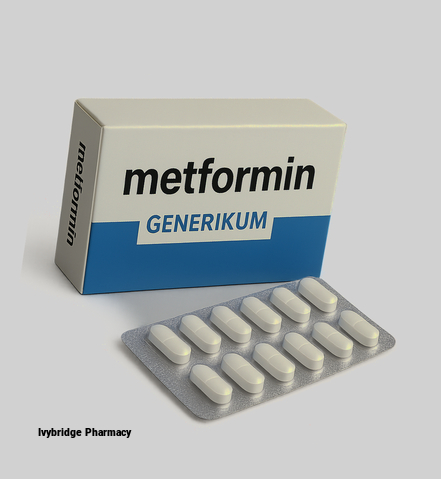
- Is metformin available without prescription in the UK?
- What does Prescription Only Medicine mean in the UK?
- General information about metformin
- How metformin works
- Price and availability information
- Strengths, formulations and pack types
- Type 2 diabetes and metformin
- UK legal classification: GSL, P and POM
- Alternatives for type 2 diabetes management
- Metformin compared with other antidiabetic medicines
- Food, diet and lifestyle considerations
- Side effects and tolerability
- Long-term use and monitoring
- Warnings, contraindications and interactions
- Additional information about metformin
Is metformin available without prescription in the UK?
Metformin is categorised as a Prescription Only Medicine (POM) in the United Kingdom, which means it cannot legally be supplied without a valid prescription from a registered healthcare professional. Any claims of "buy metformin without prescription" or "order metformin online cheaply without prescription" contradict UK regulations. Patients must obtain metformin through their GP, specialist, or an online pharmacy following a clinical consultation. Supplying metformin without prescription is not permitted under MHRA rules, and any pharmacy offering such a service risks regulatory action.
What does Prescription Only Medicine mean in the UK?
The MHRA classifies medicines into three main legal categories: Prescription Only Medicines (POM), Pharmacy medicines (P), and General Sales List medicines (GSL). A POM, like metformin, can only be supplied in response to a valid prescription issued by an authorised prescriber such as a doctor, dentist, or certain registered nurses and pharmacists with prescribing rights. POM status ensures that the clinical need, dosage, contraindications, and possible interactions are professionally assessed prior to supply, enhancing patient safety and appropriate use.
General information about metformin
What is metformin?
Metformin is an oral antidiabetic agent belonging to the biguanide class. It is the first-line pharmacological treatment for type 2 diabetes mellitus and is widely prescribed globally. As a generic medicine, metformin is available under various brand names and formulations, but all preparations share the same active molecule and clinical effect.
What are the primary indications?
Metformin is indicated for the management of hyperglycaemia in adult patients with type 2 diabetes, particularly in those who are overweight. It may be used as monotherapy or in combination with other antidiabetic medicines, including insulin, sulfonylureas, DPP-4 inhibitors, SGLT2 inhibitors, or GLP-1 receptor agonists.
What is the active ingredient?
The active pharmaceutical ingredient is metformin hydrochloride. The strength, release characteristics, and excipients vary between immediate-release, modified-release, and branded generics. These differences can influence dosing frequency, gastrointestinal tolerability, and patient adherence.
Why is metformin so widely used?
Metformin reduces fasting and postprandial glucose levels, has a favourable safety profile, and does not typically cause weight gain or hypoglycaemia when used alone. Its potential cardiovascular benefits and low cost (particularly generic versions) make it an attractive option for healthcare systems and patients seeking affordable long-term therapy.
How metformin works
What is the mechanism of action?
Metformin primarily decreases hepatic glucose production (gluconeogenesis) and improves peripheral insulin sensitivity. It enhances glucose uptake by muscle and adipose tissue and reduces intestinal absorption of glucose. The molecular target involves activation of AMP-activated protein kinase (AMPK), a key regulator of metabolic pathways.
Does metformin cause insulin release?
No. Unlike sulfonylureas or meglitinides, metformin does not stimulate pancreatic insulin secretion. This characteristic lowers the risk of hypoglycaemia when used as monotherapy.
How quickly does metformin start to work?
Glycaemic improvements can be observed within days to weeks of initiating therapy. However, maximum therapeutic effect on haemoglobin A1c (HbA1c) typically occurs after two to three months of consistent use.
Can metformin affect weight?
Many patients experience weight neutrality or modest weight loss with metformin, which contrasts with some other antidiabetic classes that can cause weight gain. This feature contributes to its role in overweight or obese patients with type 2 diabetes.
Is dose adjustment necessary?
Starting doses of metformin are usually low (e.g., 500 mg once or twice daily) and increased gradually to minimise gastrointestinal side effects. Doses can be titrated up to 2,000–2,500 mg daily in divided doses or via modified-release formulations, depending on clinical response and tolerability.
Price and availability information
Can you purchase metformin cheaply in the UK?
As a generic medicine, metformin is relatively inexpensive compared to many newer antidiabetic agents. Retail prices vary by pharmacy, pack size, brand versus generic, and whether immediate or modified-release formulations are chosen. Although it is illegal to purchase metformin without prescription, patients can obtain prescriptions electronically from online clinics or face-to-face consultations and then order pharmacy supplies where prices may differ.
Why do prices vary between pharmacies?
Variation in price reflects retailer markup, negotiated supply costs, pack presentation, and whether a branded generic or reference product is selected. Savings may be achieved through prescription discount schemes, electronic prescription services, or by asking for a cheaper generic equivalent at the pharmacy counter.
| Example | Strength/Formulation | Pack Size | Price (approx.) | Status | Note |
|---|---|---|---|---|---|
| Brand A | 500 mg IR | 28 tablets | £2.95 | POM | Prescription required |
| Generic IR | 500 mg | 100 tablets | £4.50 | POM | Prescription required |
| Generic MR | 1,000 mg modified-release | 60 tablets | £7.80 | POM | Prescription required |
Strengths, formulations and pack types
What strengths of metformin exist?
Metformin immediate-release (IR) tablets commonly come in 500 mg and 850 mg strengths, while modified-release (MR/XR) preparations are available in 500 mg, 750 mg, and 1,000 mg strengths. The exact pack size and dosage form will be specified in the Summary of Product Characteristics (SmPC) and patient information leaflet.
Why use modified-release formulations?
Modified-release metformin provides a more gradual release of the active ingredient, reducing peak plasma concentrations and gastrointestinal side effects such as nausea, abdominal discomfort, and diarrhoea. MR tablets are often taken once daily with the evening meal.
How does pack size affect supply?
Pack size determines the duration of treatment per prescription. Standard UK prescription regulations allow supply of up to 28, 56, or 100 doses per prescription, depending on clinical necessity and prescribing practice. Patients may request larger packs to reduce dispensing frequency if clinically appropriate.
Are generic and branded metformin identical?
Yes, generic medicines must demonstrate bioequivalence to the reference product. They contain the same amount of metformin hydrochloride but may differ in tablet shape, colour, excipients, and packaging. Regulatory bodies ensure consistency in efficacy and safety.
| Feature | Immediate Release | Modified Release |
| Frequency | 2–3 times daily | Once daily |
| Peak plasma level | Faster onset | Slower, sustained |
| GI tolerability | Potentially lower | Improved |
| Available strengths | 500 mg, 850 mg | 500 mg, 750 mg, 1,000 mg |
Type 2 diabetes and metformin
What is type 2 diabetes?
Type 2 diabetes mellitus is a chronic metabolic condition characterised by insulin resistance, impaired insulin secretion, and elevated blood glucose levels. Long-term complications include cardiovascular disease, neuropathy, nephropathy, and retinopathy.
Why is metformin first-line therapy?
Metformin effectively lowers HbA1c, carries a low risk of hypoglycaemia compared to insulin secretagogues, and may improve lipid profiles. It is recommended by NICE and international guidelines as the preferred initial pharmacological agent for most adults with type 2 diabetes.
How should metformin be initiated?
Therapy typically begins with a low dose to gauge tolerability. The dose is gradually titrated every one to two weeks based on blood glucose monitoring, aiming for target HbA1c levels (e.g., below 48 mmol/mol or 6.5%). A shared decision-making approach between patient and healthcare professional guides dose adjustments and combination therapy introductions.
Can metformin be used with other antidiabetic agents?
Yes. If glycaemic targets are not achieved with metformin monotherapy, additional agents such as SGLT2 inhibitors, GLP-1 receptor agonists, DPP-4 inhibitors, sulfonylureas, or basal insulin can be added. Combination therapy selection depends on patient comorbidities, hypoglycaemia risk, weight considerations, and cost.
What monitoring is required?
Patients on metformin require periodic assessment of renal function (eGFR), liver enzymes, vitamin B12 levels, glycaemic control (HbA1c), and body weight. Renal impairment may necessitate dose adjustment or discontinuation.
UK legal classification: GSL, P and POM
What is POM?
Prescription Only Medicines such as metformin can only be dispensed in accordance with a valid prescription. Online ordering platforms must verify prescriptions through electronic prescription services or secure upload of scanned or photographed prescriptions.
What is a Pharmacy medicine?
Pharmacy medicines are sold under the supervision of a registered pharmacist without a prescription. Metformin is not classified as a pharmacy medicine due to its need for clinical oversight and monitoring.
What is a GSL medicine?
General Sales List medicines can be sold through any retail outlet, including supermarkets. These are typically low-risk products such as paracetamol and certain antacids. Metformin is not GSL.
Why is metformin POM only?
Prescription classification ensures appropriate patient selection, dose titration, and monitoring of renal function and glycaemic control. The risk–benefit profile requires professional involvement to minimize adverse effects and identify contraindications.
Who regulates medicine classification?
The Medicines and Healthcare products Regulatory Agency (MHRA) oversees classification, licensing, and safety monitoring of medicines in the UK. Supply without prescription breaches statutory requirements and can lead to enforcement actions.
Alternatives for type 2 diabetes management
What other medication classes exist?
- SGLT2 inhibitors (e.g., empagliflozin, dapagliflozin);
- GLP-1 receptor agonists (e.g., liraglutide, semaglutide);
- DPP-4 inhibitors (e.g., sitagliptin, linagliptin);
- Sulfonylureas (e.g., gliclazide, glimepiride);
- Insulin therapy (basal, bolus or mixed formulations).
Why choose metformin over others?
Metformin is low cost, weight-neutral, and has a long track record of real-world safety data. It may also offer cardiovascular risk reduction. Choice of therapy depends on individual patient profiles and guideline recommendations.
When is insulin indicated?
Insulin may be added when oral and injectable non-insulin agents fail to achieve glycaemic targets or in cases of severe hyperglycaemia, catabolic features, or contraindications to oral therapies.
Metformin compared with other antidiabetic medicines
How does metformin compare with sulfonylureas?
Sulfonylureas stimulate insulin release and carry a higher risk of hypoglycaemia and weight gain. Metformin’s non-secretagogue mechanism avoids these drawbacks and offers more favourable weight and cardiovascular profiles.
How does metformin compare with SGLT2 inhibitors?
SGLT2 inhibitors reduce glucose reabsorption in the kidneys, offering weight loss and cardiovascular benefits. They are more costly and have side effects such as genitourinary infections, whereas metformin has a more established safety record and lower price.
How does metformin compare with GLP-1 receptor agonists?
GLP-1 receptor agonists promote weight loss and have strong cardiovascular benefits but require subcutaneous injection and are significantly more expensive than generic metformin. Metformin remains the cornerstone of initial therapy due to cost-effectiveness and oral convenience.
| Feature | Metformin | Sulfonylureas | SGLT2i |
| Mechanism | Decreases hepatic glucose output | Stimulates insulin release | Increases urinary glucose excretion |
| Hypoglycaemia risk | Low | Moderate–high | Low |
| Weight effect | Neutral or loss | Gain | Loss |
| Cost | Low | Low–moderate | High |
Food, diet and lifestyle considerations
Can diet influence glycaemic control?
Yes. A balanced diet rich in fibre, low in refined carbohydrates and saturated fats contributes to blood glucose management. Portion control and regular meal timing are essential.
How does alcohol affect diabetes?
Alcohol can cause delayed hypoglycaemia, especially after insulin or insulin secretagogue use. Patients should monitor blood glucose closely and eat carbohydrates when consuming alcohol to reduce risk.
Does exercise matter?
Regular physical activity enhances insulin sensitivity and contributes to weight management. Patients should aim for at least 150 minutes of moderate-intensity exercise weekly, adjusted for individual ability and comorbidities.
Why is weight management important?
Excess body weight exacerbates insulin resistance. Weight loss of 5–10% can substantially improve glycaemic control and reduce cardiovascular risk factors.
Side effects and tolerability
Can metformin cause side effects?
Gastrointestinal symptoms are the most common, including nausea, vomiting, diarrhoea, abdominal pain, and metallic taste. These effects are often transient and can be minimised by dose titration and using modified-release formulations.
| Area | Examples described in product information |
| Gastrointestinal | Diarrhoea, nausea, vomiting, flatulence |
| Vitamin deficiency | Reduced B12 absorption with long-term use |
| Skin | Rash, urticaria (rare) |
| Lactic acidosis | Rare but serious in predisposed individuals |
What is lactic acidosis?
Lactic acidosis is an uncommon but potentially fatal complication, characterised by elevated lactate levels and acidosis. Risk factors include significant renal impairment, dehydration, severe infection, or hepatic dysfunction. Prompt medical attention is crucial if symptoms such as muscle pain, respiratory distress, or profound weakness occur.
Why monitor vitamin B12?
Prolonged metformin therapy may reduce B12 absorption, leading to deficiency and neuropathy. Periodic B12 level checks are recommended for long-term users.
Long-term use and monitoring
Why is ongoing monitoring necessary?
Chronic metformin therapy requires periodic review of glycaemic control, renal function, hepatic function, vitamin B12 status, and cardiovascular risk factors. Treatment should be adjusted based on changes in health status.
Can renal function affect dosing?
Yes. The eGFR should be assessed before starting metformin and at least annually thereafter. Dose adjustment or discontinuation is recommended if eGFR falls below 45 mL/min/1.73 m², and metformin is contra-indicated if eGFR is below 30 mL/min/1.73 m².
When should therapy be reviewed?
Therapy review intervals vary, but annual comprehensive reviews are standard. More frequent checks may be needed in patients with comorbidities, unstable glycaemic control, or those experiencing side effects.
Warnings, contraindications and interactions
Who should be cautious with metformin?
- Patients with significant renal impairment;
- Those with acute or chronic metabolic acidosis;
- Patients with severe hepatic dysfunction;
- Individuals at risk of dehydration or reduced tissue perfusion;
- Patients undergoing major surgery or radiological studies with contrast media;
- Those with a history of alcohol misuse or chronic heart failure.
Can metformin interact with other medicines?
Certain drugs may increase the risk of lactic acidosis when combined with metformin (e.g., iodinated contrast agents, certain diuretics, ACE inhibitors). Others can alter renal function, affecting metformin clearance. Always inform your pharmacist about all medicines being taken.
What about pregnancy and breastfeeding?
Metformin is sometimes used in gestational diabetes and polycystic ovary syndrome, but it should be prescribed by a specialist and used under close medical supervision. Breastfeeding mothers may use metformin with monitoring, but professional advice is recommended.
Additional information about metformin
What does “generic metformin” mean?
A generic metformin product contains the same active ingredient as the reference branded medicine and meets the same quality, safety, and efficacy standards. Inactive ingredients may differ, affecting appearance and potentially tolerability.
Why can formulations differ between brands?
Different manufacturers may use various excipients, tablet coatings, release profiles, and pack presentations. These differences are documented in the SmPC and patient leaflet, which should be reviewed before use.
How to verify UK medicine information?
Reliable sources include the MHRA website, the electronic Medicines Compendium (eMC), NICE guidelines, and qualified healthcare professionals. Always refer to the latest product information for accurate details.
Does this information replace professional advice?
No. This page provides general information only. For advice tailored to your health status, please contact Ivybridge Pharmacy at 7 Erme Court, Ivybridge, Devon PL21 0SZ, or speak to your GP or specialist healthcare provider.
Ivybridge
Devon
PL21 0SZ