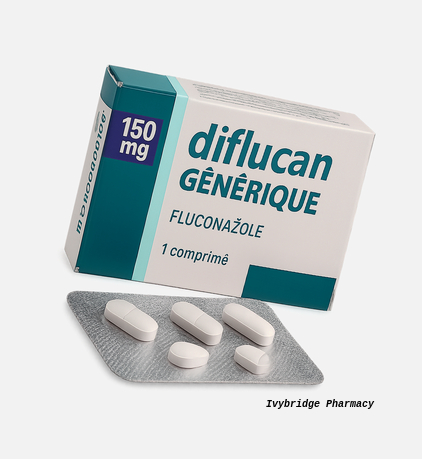
- Is Diflucan available without prescription in the UK?
- What does Pharmacy medicine mean in the UK?
- General information about Diflucan (fluconazole)
- How Diflucan works against fungi
- Price and availability information
- Strengths, formulations and pack types
- Common uses: thrush and candidiasis
- UK legal classification: GSL, P and POM
- Alternatives for fungal infections
- Diflucan compared with other antifungal medicines
- Food, alcohol and lifestyle considerations
- Side effects and tolerability
- Long-term use and resistance
- Warnings, contraindications and interactions
- Additional information about Diflucan
Is Diflucan available without prescription in the UK?
In the United Kingdom, branded Diflucan (fluconazole) products are generally classified as Prescription Only Medicines (POM). However, online pharmacies can offer generic fluconazole in specific strengths—commonly 150 mg capsules—for the short‐term treatment of vaginal thrush and other superficial fungal infections under a pharmacist‐led supply arrangement. This makes it possible to buy generic Diflucan without a formal prescription, provided you complete an online consultation form and meet the supply criteria set by the Medicines and Healthcare products Regulatory Agency (MHRA). Always check with a registered pharmacy to confirm availability and eligibility for purchase without a traditional prescription.
What does Pharmacy medicine mean in the UK?
The UK divides medicines into Prescription Only Medicines (POM), Pharmacy medicines (P) and General Sales List medicines (GSL). A Pharmacy medicine is one that does not require a prescription but must be sold or supplied by a pharmacist or under their supervision. Generic fluconazole 150 mg falls under the P category when authorised for targeted self‐care uses, such as single‐dose treatment of uncomplicated vaginal thrush. The pharmacist assesses any interacting conditions, contraindications and ensures that self‐diagnosis is appropriate before supplying the medicine.
General information about Diflucan (fluconazole)
What is Diflucan?
Diflucan is a brand name for fluconazole, a triazole antifungal agent used to treat a variety of fungal infections. It is highly bioavailable and well absorbed after oral administration. Fluconazole has fungistatic activity, preventing the growth and replication of yeast and dermatophyte organisms by interfering with ergosterol synthesis, a critical component of fungal cell membranes.
Active and inactive ingredients
The active pharmaceutical ingredient is fluconazole. Generic products may differ in excipients, tablet coatings or capsule shells but must demonstrate bioequivalence to the reference medicine to gain regulatory approval in the UK and EU. Variations in inactive ingredients can affect tablet size, colour or ease of swallowing.
Formulation and stability
Fluconazole tablets and capsules are formulated for immediate release. They remain stable under standard storage conditions, typically between 15 °C and 25 °C, away from moisture and direct sunlight. Always check the expiry date on the pack and discard any open or deteriorated medicine.
How Diflucan works against fungi
Ergosterol synthesis inhibition
Fluconazole selectively inhibits the fungal cytochrome P450 enzyme 14α‐demethylase, which converts lanosterol to ergosterol. Ergosterol is essential for maintaining fungal cell membrane integrity. When fluconazole blocks its synthesis, the cell membrane becomes permeable and dysfunctional, halting fungal growth.
Fungistatic action
Unlike fungicidal agents that kill fungi directly, fluconazole is primarily fungistatic—preventing fungal replication. In most cases, the immune system clears the infection once fungal proliferation is inhibited.
Pharmacokinetics
After oral dosing, fluconazole achieves peak plasma concentrations in 1–2 hours and has a half‐life of approximately 30 hours, permitting once‐daily dosing. The drug is excreted largely unchanged via the kidneys, necessitating dose adjustments in renal impairment.
Price and availability information
How much does generic Diflucan cost online in the UK?
Prices vary by strength, pack size and supplier. Online pharmacies aim to offer cheaper, generic fluconazole compared with the branded product. As an example, a single‐dose 150 mg capsule might cost as little as £5.50, while a course of three 50 mg tablets may be priced around £12. Retail prices can fluctuate due to promotional offers, bulk purchase discounts or membership schemes.
Why prices differ
Price variation reflects manufacturer discounts, distribution costs, packaging, accreditation and any added pharmacist consultation fees. A lower price does not compromise quality when the product is sourced from a reputable, MHRA‐authorised manufacturer.
| Example | Strength | Formulation | Price (GBP) | Status |
|---|---|---|---|---|
| Generic A | 150 mg | Capsule | £5.50 | In Stock |
| Generic B | 50 mg | Tablet pack of 3 | £11.99 | In Stock |
| Branded Diflucan | 150 mg | Capsule | £28.00 | Prescription Only |
Strengths, formulations and pack types
Available strengths
Fluconazole is available in 50 mg, 100 mg, 150 mg and 200 mg oral capsules or tablets. Common non‐prescription pack sizes include a single 150 mg capsule for vaginal thrush and three 50 mg tablets for mild oral or cutaneous infections.
Pack presentations
Pack sizes vary: blister packs of 3 or 7 tablets for short courses, single‐dose capsules and larger packs for prescription use. The specific supply category and legal status depend on both strength and pack size.
Generic versus branded
Generic fluconazole shares the same active moiety and therapeutic effect as branded Diflucan but may have different excipients, tablet colour or imprint. All authorised generics meet rigorous quality standards.
Common uses: thrush and candidiasis
Vaginal thrush
A single 150 mg dose of fluconazole effectively treats uncomplicated vaginal candidiasis. Symptoms include itching, discharge and irritation. Many people choose to buy generic Diflucan for self‐care without visiting a GP.
Oral thrush
For oropharyngeal candidiasis, a typical regimen might be 50 mg daily for 7–14 days. Generic pills can be ordered online for adults experiencing mild to moderate symptoms.
Cutaneous and nail infections
Fluconazole can be used off‐label for fungal skin infections or onychomycosis under healthcare supervision. Prescription strengths (100–200 mg daily) are usually required for extended courses.
Systemic candidiasis (prescription only)
Serious systemic infections require POM supply with extended dosing and monitoring. These uses are beyond OTC supply and require medical oversight.
UK legal classification: GSL, P and POM
What is a POM?
A Prescription Only Medicine requires a valid prescription from a qualified prescriber. Many antifungal regimens beyond uncomplicated thrush fall into this category.
What is a Pharmacy medicine?
A Pharmacy medicine can be supplied under pharmacist supervision without a prescription. Specific generic fluconazole presentations for thrush are classed as P, allowing online pharmacist supply once assessment criteria are met.
What is a GSL medicine?
GSL medicines may be sold in non‐pharmacy retail outlets. No systemic antifungal currently holds GSL status in the UK due to the need for professional oversight.
Why different classifications?
Classification is based on safety profile, complexity of diagnosis, need for monitoring, potential drug interactions and the required level of professional assessment.
Alternatives for fungal infections
Topical azoles
Clotrimazole and miconazole creams or pessaries are widely available OTC for skin and vaginal candidiasis. They act locally and generally have fewer systemic interactions.
Polyene antifungals
Nystatin lozenges and creams are alternative non‐azole agents used for oral thrush or cutaneous candidiasis. Their mechanism involves binding to ergosterol, causing cell membrane disruption.
Prescription‐only options
For resistant or systemic infections, ketoconazole, itraconazole or prescription‐strength amphotericin may be indicated under medical supervision.
Diflucan compared with other antifungal medicines
Fluconazole vs. itraconazole
Both are azoles but differ in spectrum and pharmacokinetics. Itraconazole may be more active against dermatophytes but has variable absorption and more food requirements.
Fluconazole vs. ketoconazole
Ketoconazole has higher risk of hepatotoxicity and is no longer recommended for systemic use. Fluconazole has a superior safety profile and fewer drug interactions.
| Feature | Fluconazole | Clotrimazole | Nystatin |
| Route | Oral | Topical | Topical/lozenge |
| Main indication | Thrush, candidiasis | Skin/vaginal | Oral thrush |
| Systemic absorption | Yes | No | No |
| OTC availability | Yes (select packs) | Yes | Yes |
Food, alcohol and lifestyle considerations
Can diet influence thrush?
High‐sugar diets may encourage yeast overgrowth. Reducing refined sugars and including probiotic foods can support gut flora balance.
Can alcohol affect treatment?
Alcohol does not reduce fluconazole efficacy but may irritate mucosal linings and exacerbate symptoms. Excessive drinking can also impair immune response.
Smoking and fungal risk
Smoking can disrupt mucosal barriers in the mouth, contributing to oral thrush in susceptible individuals.
Hygiene practices
Keeping affected areas clean and dry, avoiding tight clothing, and changing damp garments promptly can reduce recurrence risk.
Side effects and tolerability
Common side effects
Headache, nausea, abdominal pain and diarrhoea occur in a small percentage of users. These are usually mild and transient.
Serious reactions
Rarely, fluconazole can cause liver enzyme elevation, severe skin rashes (including Stevens‐Johnson syndrome) or anaphylactic reactions. Stop treatment and seek urgent care if these occur.
| Area | Examples |
| Gastrointestinal | Nausea, stomach pain |
| Nervous system | Headache, dizziness |
| Hypersensitivity | Rash, itching, swelling |
| Hepatic | Elevated liver enzymes |
Long-term use and resistance
Short‐term vs. long‐term therapy
OTC supply is limited to single‐dose or short courses. Prolonged use requires prescription review due to resistance risk and potential organ toxicity.
Development of resistance
Frequent or incomplete treatment courses can select for resistant Candida strains. Follow recommended dosage and treatment duration.
Monitoring
Long‐term therapy for chronic mucocutaneous candidiasis should be managed by a healthcare professional, with periodic liver function tests.
Warnings, contraindications and interactions
Who should be cautious?
- People with liver disease;
- Patients on warfarin or other anticoagulants;
- Those taking cisapride, pimozide or terfenadine;
- Individuals with QT prolongation risk;
- Pregnant or breastfeeding women (seek professional advice).
Drug interactions
Fluconazole is a moderate inhibitor of CYP2C9, CYP2C19 and CYP3A4. It can increase levels of drugs such as phenytoin, cyclosporine, and certain antidiabetic agents. Always review concomitant medications.
Alcohol and liver toxicity
Combined with alcohol, there is a theoretical increase in hepatic strain. Limit alcohol consumption during treatment.
Additional information about Diflucan
What does “generic fluconazole” mean?
A generic contains the same active fluconazole at the same dosage strength as branded Diflucan and is rigorously tested for bioequivalence.
Difference in leaflets
Leaflets vary by manufacturer. Always read the patient information leaflet supplied with the product for detailed guidance on dosing, warnings and side effects.
Where to verify information?
Authoritative sources include the MHRA website, the electronic Medicines Compendium (eMC) and qualified pharmacists. This page provides general information; for personalised advice, contact Ivybridge Pharmacy at 7 Erme Court, Ivybridge, Devon PL21 0SZ.
Ivybridge
Devon
PL21 0SZ